Exploring Rosebank’s Art Supply Landscape
Independent Art Shops
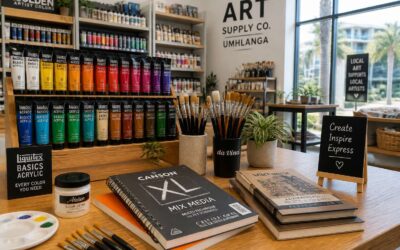
Rosebank is quietly becoming a hub for creative expression, and the local supply chain reflects that energy. Walk past the antique shops and coffee roasters, and you will find storefronts dedicated to pigment, canvas, and clay. The demand for art supplies rosebank has grown steadily, prompting independent retailers to curate ranges that rival the bigger city outlets.
Stockists here understand the working artist. They are not just selling inventory online or from a dusty shelf; they offer guidance on pigment permanence, paper weight, and brush care. One specialist store on Juta Street carries a full line of casein paints, which are difficult to source elsewhere in Johannesburg. Another focuses on printmaking, with linoleum blocks, Japanese chisels, and high-rag-content paper for etching.
– Ask about customer order lists to see what materials are being requested most.
– Compare the price of student-grade acrylics against the professional heavy-body brands.
– Look for locally made sketchbooks, which often use recycled cotton fibre.
Seasoned artists often visit the area for specific tools. The ceramicists check for grogged clays and stable glazes, while illustrators hunt for pigment-rich gouache sets. If you are starting a project, engage with the shop owners. They tend to test new products on site and can offer practical feedback on coverage and drying time. The atmosphere, much like the suburb itself, mixes a sense of history with a clear nod to contemporary practice.
Specialty Stores for Fine Art
Craft and Hobby Retailers
For every fine art devotee who demands a specific cadmium red, there are three hobbyists in Rosebank who merely want a decent bottle of glue. The craft and hobby retailers here serve that energetic crowd, offering a practical alternative within the art supplies rosebank market. Their aisles are organised around making, not collecting.
Inside you will find items that provoke immediate action.
- Packs of acrylic paint at prices that invite experimentation
- Wooden frames for a new embroidery project
- Beads, ribbons, and the elusive adhesive tape that never sticks
Shopping here requires patience and a tolerant spirit. Staff know their stock’s quirks. They will point you to a better brand of paper or warn you against a dubious glitter. This is a social experience, and a recurring stop in the art supplies rosebank routine for many locals.
Online Options with Local Pickup
The journey from a specialist fine art shop to a general craft store in Rosebank often feels like moving between two different worlds. But the real magic happens when you stop searching for a single perfect pigment and instead embrace the practical, tactile joy of making things with your hands.
A solid shopping list for a weekend project often includes a pack of acrylic paint, a few wooden frames for a new embroidery piece, and some beads to finish off a necklace. You might also need ribbon for wrapping and that elusive adhesive tape that actually sticks. The hunt is part of the experience. You will likely spend a good twenty minutes comparing the thickness of different glues before settling on one, and that is perfectly fine.
The staff in these stores have a particular skill for navigating the chaos. They know their stock intimately and can tell you exactly why a certain brand of paper will bleed less than another, or which dubious glitter is likely to shed everywhere. A quick conversation can save you a wasted trip home and a ruined project.
These shops function as a hub for the creative community. You rarely leave without a recommendation for a local framing service or a tip about a new technique. The aisles are a testament to the fact that creativity is not a solitary act, but a shared adventure that keeps people returning week after week.
Essential Art Materials for Every Artist
Paints and Mediums
Pigment in a tube holds promise. Art supplies rosebank present acrylics that dry quickly, oils that reward slow work, and watercolors that resist control. I have watched artists feel the weight of each option. The selection speaks to how painters think about color.
- Retarder slows drying time
- Matte medium reduces gloss
- Varnish protects finished work
Mediums alter the physical nature of paint. Linseed oil gives fluid movement. Acrylic gel builds texture. Gesso transforms a board into a canvas. The final surface changes with each medium. In Rosebank, these materials rest together.
Brushes and Tools
A brush is the quietest tool an artist owns. The art supplies rosebank shelves hold rows of bristle and synthetic fibres. Round tips for detail, flat heads for bold strokes. I have watched hands test the spring of each brush, feeling for balance.
Beyond brushes, the work demands simple tools. Palette knives scrape and shape. Rags catch excess. A sturdy easel holds the canvas steady while the hand moves.
Consider the tool’s character:
- Oil paint needs stiff bristle brushes
- Watercolour responds to soft, absorbent hair
- Acrylic thrives with synthetic blends
The art supplies rosebank stores offer these tools in varied weights and sizes. Each one affects how paint flows onto the surface. A good brush holds its shape through years of work!
Drawing and Sketching Supplies
A line is where every vision begins. Graphite, charcoal, and conté carry that first mark. The shelves at art supplies rosebank hold these materials in unassuming rows, each waiting for a steady hand. I recall watching a young artist weigh a sketchbook in her palm, testing the paper’s tooth before committing to a single stroke.
Drawing demands tools with specific characters:
- Hard pencils for precise hatching
- Soft vine charcoal for sweeping shadows
- Kneaded erasers that lift pigment gently
Paper matters deeply. A rough surface grips the medium; a smooth surface lets it glide. Touching the paper before purchase makes all the difference!
Canvases and Surfaces
A canvas determines how paint sits on the support. In art supplies rosebank, stretched cotton, linen, and rigid panels each change the result. Cotton absorbs washes evenly, linen holds fine detail, and panels resist flexing for heavy palette knife strokes.
I run my hand across the surface before buying. Primed canvases save time, yet unprimed textures offer more absorbency. For pastels or watercolour, choose a paper or board with the right tooth. Lightweight supports suit transport; heavy ones provide stability. The surface guides every decision in your process.
Storage and Organization
Storage and organization are practical necessities. In art supplies rosebank, I have watched artists lose hours searching for a single tube of ultramarine. The chaos is not romantic, it is costly. A well ordered space preserves the integrity of your materials and your focus.
Start with the surfaces you already own. A sturdy shelf for heavy jars and bottles. A shallow tray for charcoal and pastels. For canvases, a vertical rack prevents warping. For brushes, a perforated holder allows air to circulate.
- Airtight containers for pigments and powders
- Wall mounted racks for drying prints
- Labeled drawers for small hardware
Every item in your collection has a specific need. When you respect that need, the work proceeds without delay.
How to Choose the Right Supplies for Your Project
Assessing Your Skill Level
The most common creative paralysis isn’t a lack of inspiration; it is the overwhelming abundance of choice in a well-stocked store. Standing before a wall of pigments or a forest of brush handles, the urge to buy everything can be quite potent. We have all been there, clutching a basket filled with items we have no immediate use for, driven by the hope that the right tool will somehow conjure the skill to wield it.
It is far more effective to purchase for the skill you possess today, not the virtuoso you imagine you will become by Tuesday. The enthusiastic beginner should celebrate the cheap, forgiving nature of student-grade materials. These allow for exploration without the financial sting of waste. I have always found that a modest palette encourages invention. If the only thing standing between you and a finished piece is expensive paper, you will likely never start.
For the intermediate artist, the calculus shifts. This is the stage where the true character of your materials begins to matter. Here, you might find value in asking the staff at your local art supplies rosebank outlet for their professional opinion on a specific brand of acrylic or a particular weight of watercolour paper. Those working at the specialist counters in suburbs like Rosebank usually possess a keen understanding of their stock.
Consider a simple self-diagnosis before you shop:
– Do I abandon projects when a tool proves difficult?
– Am I comfortable mixing my own shades, or do I rely on straight-from-tube convenience?
– Have I outgrown the limitations of my current kit, or am I just craving novelty?
The answers should guide your hand. A professional with a decade of experience does not need a beginner’s set, just as a novice does not need archival-grade everything to learn the basics of light and shadow. Equally, the seasoned painter who frequents the art supplies rosebank district for their haunts understands that a premium brush can last years if properly cared for, making the cost worthwhile.
The art lies in matching your ambition to your current reality. Buying the most expensive item in the shop is not a shortcut to proficiency. Instead, allow the specific requirements of your upcoming project to dictate your purchases. That might mean selecting a heavy-duty canvas for a palette knife piece or a fine nib for detailed ink work. You should always allow the work to dictate the tool, and never the other way around. The right supply is simply the one that allows your hand to do what your mind is already seeing.
Budgeting for Quality
Every rand spent on a brush or a tube of paint is a pledge to your practice. The grim truth is that quality carries a price, and the artisan who ignores this often pays twice. When I wander the aisles at an art supplies rosebank store, I see shoppers torn between the allure of a bargain and the promise of longevity. Budgeting for quality means choosing a single professional-grade pigment over three student-grade tubes. A well-made canvas holds its tension, while a cheap one sags.
Consider these priorities:
- A reliable set of brushes over a sprawling, mediocre collection.
- Cotton paper for wet media, even if it means fewer sheets.
- Lightfast paints that will not fade into oblivion.
The art supplies rosebank shelves are full of temptations. The fear of overpaying is real, but the waste of a failed project is worse. Let your budget reflect the materials that matter most to your medium. The rest can wait.
Understanding Different Brands
When you walk into a shop looking for art supplies in Rosebank, the sheer volume of choice can feel like a creative block in itself. You are not just buying paint; you are investing in the next six weeks of your life. The difference between a frustrating session and a productive one often comes down to the specific brands you put in your basket.
Here is the reality of the Johannesburg art scene: we are a hub of visual creativity, but our retail landscape is a mix of high-end specialists and generalist stores. This means the advice you get, and the stock you see, varies wildly. A student might be happy with a budget-friendly import, but a professional illustrator working on a commissioned piece cannot afford a pigment that shifts color under gallery lighting.
The Brand Spectrum: From Student to Professional
Most stores in the area, from the major chains to the independent stockists, organize their shelves by brand tier. Understanding this hierarchy is crucial to not wasting your money.
Student Grade: These are your workhorse acrylics and watercolors. They have a higher binder-to-pigment ratio, which means colors are less intense and more translucent. They are perfect for sketching, learning color theory, and creating underpaintings. If you are experimenting with a new technique, this is where you start.
Artist Grade: These contain the highest concentration of high-quality pigments. The color payoff is immediate, and the mixing strength is superior. For oils, this means a little goes a long way. The difference in a cobalt blue or a burnt sienna between these two grades is the difference between a painting that feels flat and one that glows.
The Canvas Question
Do not overlook the support. A cheap canvas that is not properly primed will suck the oil out of your paint, leaving your brush dragging across a dry, chalky surface. When you find art supplies in Rosebank, always check the canvas weight and the primer quality. A heavy, pre-stretched cotton canvas with a few layers of quality gesso will save your brushes from premature wear.
Brushes: Shape and Hair
Do not buy a whole set of brushes at once. Instead, buy specific shapes you know you need. For fine detail, you need a synthetic round with a sharp tip. For broad washes, a natural hair flat is better, as it holds more water or medium. A good brush feels balanced in your hand. If the ferrule (the metal part) is loose, you will constantly fight the brush rather than guide it.
The Technical Checklist
Before you commit to a brand, scan the label. Look for the pigment index number (e.g., PW6, PB29). This tells you the actual chemical composition. Avoid paints that are “hue” labeled, like “Cadmium Red Hue,” because they substitute cheaper pigments to mimic the look. They do not perform like the real thing.
Also, consider the lightfastness rating. This is a measure of how well the paint resists fading when exposed to light. If you are selling your work, a low-rating pigment will fade in a few years. That is a betrayal to the collector who bought it.
Practical Selection Strategies
– Start Small: Instead of a massive set, buy a limited palette of primary colors and a few earth tones from a professional line. This forces you to learn mixing, which is more valuable than having 24 colors that each look similar.
– Test the Ground: Use a small, primed panel to test the viscosity of the paint right in the store. Cheap paints are often stiff and ropey. Professional paints should have a buttery, consistent texture.
– Check the Arsenal: Ensure the brands they carry have complete lines. If they sell brand X but only stock a few colors, you will struggle to find the specific shade you need later. Consistency in brand and line is key for professional work.
Integrating with Local Hobbyists
For those who work in mixed media or illustration, the availability of specialty inks and markers is vital. The local shops in Rosebank often carry higher-end markers that are refillable. While the upfront cost is higher, the refill system is significantly cheaper in the long run, and the nibs are replaceable. That is a sustainable approach to your practice.
Ultimately, the right brand depends on your output. If you are sketching for fun, a budget brand is fine. If you are producing work for a gallery, you need archival quality. The next time you browse for art supplies in Rosebank, take your time. Feel the paper. Smell the oil. Test the brush on your thumb. Your hands will tell you what your eyes cannot see online.
And one more thing: ask the store staff about their returns policy on defective tools. A split brush handle or a cracked pan should be eligible for a swap. A reputable store will stand behind the brands they sell. If they hesitate, buy elsewhere.
Eco-Friendly and Sustainable Options
Choosing the right materials for a specific project starts with asking what the work demands. A large canvas meant for acrylics will behave differently than a watercolour block. Think about absorbency, weight, and how the surface responds to layering. For outdoor work or urban sketching, portable and durable kits matter more than extensive ranges. For studio pieces, consistency across batches becomes the priority. The staff at art supplies Rosebank shops can often guide you toward materials that match your working method, but knowing your own process first saves time.
Sustainability is becoming a practical concern for many artists. Some manufacturers now offer recycled paper pads, bamboo handled brushes, and paints with plant based pigments. These options reduce environmental load without sacrificing performance. Look for water based products over solvent heavy ones, and check if containers are refillable. Many stores in the area now stock eco conscious lines alongside traditional brands.
When evaluating sustainable choices, consider the following:
– Recycled content in paper and canvas supports circular production.
– Natural gum binders replace synthetic acrylics in some ranges.
– Refillable ink systems cut down on plastic waste.
– Vegan brushes use synthetic fibres that mimic animal hair closely.
A responsible purchase balances longevity with lower impact. A well made brush or a high quality pigment will last years, reducing the need for frequent replacements. That is sustainability in practice. The selection at art supplies Rosebank outlets reflects this shift, offering options that are both ethical and effective for serious work.
Navigating Local Art Classes and Workshops
Finding Studios in Rosebank
Navigating local art classes in Rosebank offers a unique opportunity to see what the creative community actually uses. A studio environment is a live showcase of materials in action. Watching a tutor struggle with a subpar pigment or praise a specific brush brand provides more insight than any product description. It is a practical, unvarnished look at the gear that performs under pressure.
Finding these studios is mostly about word of mouth and reading the notice boards tucked into coffee shops. A quick search for art supplies rosebank often leads you past several workshop spaces tucked into office blocks. Before you commit to a course, consider the following:
– Check if the class fee levies the cost of materials.
– Ask about the brand of acrylics or oils they stock.
– Enquire about a visitor’s pass to observe one session.
Workshops are frequently held in spaces adjacent to the main retail hubs, which means you can scout the required materials on a lunch break. This proximity is a hidden advantage. You can purchase a recommended sketchbook and confirm the exact tub of medium before the first session begins. The synergy between learning and buying art supplies rosebank in the same afternoon is a practical and efficient use of your day.
Materials Included vs. Bring Your Own
The first workshop session often brings a suitcase of questions, though maybe that is just me. The big fork in the road is the cost breakdown, specifically whether you are paying for the privilege of borrowing gear or buying it outright.
Many classes in the area factor the materials into the fee, which is great if you are experimenting. Others expect you to arrive with a fully stocked kit. The difference usually shows up in the quality of the paint and paper.
I have found it wise to ask exactly what is included before you book. A quick chat with the tutor can save you from purchasing a full set of acrylics you will never use again.
You can fill your basket with art supplies rosebank on the same day, but it is better to know the list beforehand. That way, you can focus on the painting, not the procurement.
Networking with Local Artists
Rosebank’s creative community thrives on shared experience, and the workshop circuit provides the perfect conduit. A single Saturday session can transform your perspective on materials, especially when you are surrounded by fellow enthusiasts wrestling with the same textures. The real education, however, often happens during the tea break. Conversations drift toward favourite suppliers and the hidden gems of the local art scene, offering practical intel you won’t find in any catalogue.
Beyond structured classes, the studios themselves are vibrant social hubs. I have found that simply visiting a space during open hours invites casual dialogue. These interactions are invaluable for demystifying the procurement process. You learn which specific art supplies rosebank shops carry the elusive pigments or the most resilient brushes. Before you know it, you are swapping stories about drying times and surface preparation, all while a local artist demonstrates a technique you were too shy to try. It is an informal education that turns a simple errand into a ritual, connecting you directly to the pulse of the neighbourhood’s artistic heartbeat. The value of this networking cannot be overstated. It turns solitary practice into a shared language, and it often saves you from costly mistakes. Soon, a trip to replenish your kit becomes a social occasion in itself.
Beginner-Friendly Workshops
The hum of a studio filled with beginners is a particular kind of music. It is the sound of graphite scratching, of brushes tapping against glass jars, and of quiet, focused breath. For the uninitiated, walking into a session can feel like stepping into a foreign land where everyone speaks in terms of pigment load and tooth. Yet, the best workshops in the area are designed to translate that language. They focus on the tangible, the feel of the medium between your fingers, and the immediate satisfaction of making a mark that is entirely your own.
Those initial hours are less about theory and more about practice. You will find that instructors prioritise the physical relationship between you and your chosen tool. The goal is to demystify the process, turning a blank page from a source of anxiety into an invitation. A guided exercise often revolves around a single subject, pushing you to observe how light behaves and how colour mixes on the palette rather than on a colour wheel. This is where the practical knowledge of local materials becomes essential.
– A student palette, usually with pre-mixed primaries.
– A pad of heavy-weight paper that can handle multiple washes.
– A set of basic brushes with good spring.
This tactile approach reveals why certain tools become favourites. When you finally test a high-quality brush against a cheaper alternative, the difference in control is immediately apparent. The session provides the perfect arena to ask the question that is on every novice’s mind: what is the difference between student and professional grade paint? The answer, demonstrated live, is often more convincing than any product review. Navigating this first class is the best way to discover that your own comfort and enjoyment are the true guides to building your kit, and you will likely find yourself seeking out the specific art supplies rosebank stores that stock the very items you tested.
Tips for Getting the Most from Your Art Supply Shopping
Seasonal Sales and Discounts
Loyalty Programs
Did you know that nearly 47% of shoppers never redeem the loyalty points they earn? That means a lot of free art supplies rosebank stores offer are simply left on the table. A loyalty program is an asset, not a gimmick. It is a quiet contract between you and the shop. If you are buying brushes and pigment every month, those points can pay for your next pad of paper.
The secret is to treat your membership like a tool. Do not scatter your purchases across every store in the city. Pick one shop that carries the brands you trust. That concentration of spend builds value much faster. I keep a dedicated pouch for my loyalty cards. It sits in my art bag next to my pencil sharpener. That way, the card is always with me when I make an unplanned stop.
– Keep a digital photo of your card on your phone as a backup.
– Ask the cashier to scan your card before the final total is calculated.
– Combine point redemption with store-wide sales to stretch your rand further.
– Track your points on the shop’s app if they have one.
Some programs offer member-only pricing on specific lines of acrylics or watercolours. Others provide a birthday discount or early access to limited edition inks. Those perks are not automatic. You must read the fine print on their email newsletters. The staff at your local art supplies Rosebank counter are usually happy to explain how the tiers work. Just ask them.
Ultimately, these programs are about building a relationship with the place that feeds your craft. The more you engage, the more you gain. It is a simple exchange of loyalty for value. For an artist, that value translates directly into more time in the studio and less money spent on basics. That is a trade worth making.
Comparing Prices
Art supplies can quietly drain a budget, especially when inspiration strikes mid-project and you need a specific pigment or a fresh pad of paper. In Rosebank, however, the hunt for quality materials without the premium price tag is far easier when you know where to look and how to compare. The local art scene is served by a mix of specialist boutiques and well-stocked retailers, each with distinct pricing strategies. A tube of paint might cost significantly more at a convenience-focused shop than at a dedicated supplier, so taking the time to compare prices on canvas, brushes, and mediums is an essential habit for the savvy creator.
A quick tour through the neighbourhood reveals that you should always check the unit price, not just the sticker on the front. Many stores in Rosebank offer bulk discounts on stretched canvases or sketchbooks, but these savings are often hidden behind a counter or buried in a weekly special.
– Compare the price per millilitre for acrylics and oils, as larger tubes often deliver better value.
– Ask staff about price matching; several local shops will match a competitor’s quoted rate on identical stock.
– Check the clearance rack near the register for discontinued colour lines, which are often marked down by up to 50%.
Adopting a flexible approach to brand selection also pays dividends. While professional-grade materials hold their appeal, Rosebank retailers frequently run promotions on student-grade alternatives that perform admirably for sketching and studies. By staying open to different brands and checking prices across a few key stores each month, you can stock your studio with everything you need. This habit ensures your budget stretches further, allowing you to say yes to that larger sheet of watercolour paper or a new set of nibs without the usual guilt. Ultimately, smart shopping here is about knowing the market, and the rewards are a fuller studio and a healthier bank balance.
Supporting Local Businesses
Buying art supplies Rosebank is a transaction that carries more weight than the receipt suggests. Each purchase keeps a local proprietor solvent, someone who curates shelves with a working artist’s eye. When you return to the same shop for months, the staff learn your habits. They remember that you favour cold-pressed paper or a particular grade of charcoal, and they will set aside stock when it arrives.
Supporting local businesses also means asking questions while you are there. Ask what sells fastest. Ask which products the resident painters reorder without hesitation. That knowledge is part of the exchange.
- Request special orders through the shop, even if it means waiting a week
- Mention your projects, the owner will often suggest a cheaper alternative that performs the same
- Bring a friend who is new to the medium, the visit may turn them into a regular
The expertise stays in Rosebank, and so does the money. That is the quiet bargain of buying local.


0 Comments